June 24, 2026Timberline Excavation
Forestry Mulching vs. Forestry Clear Cutting
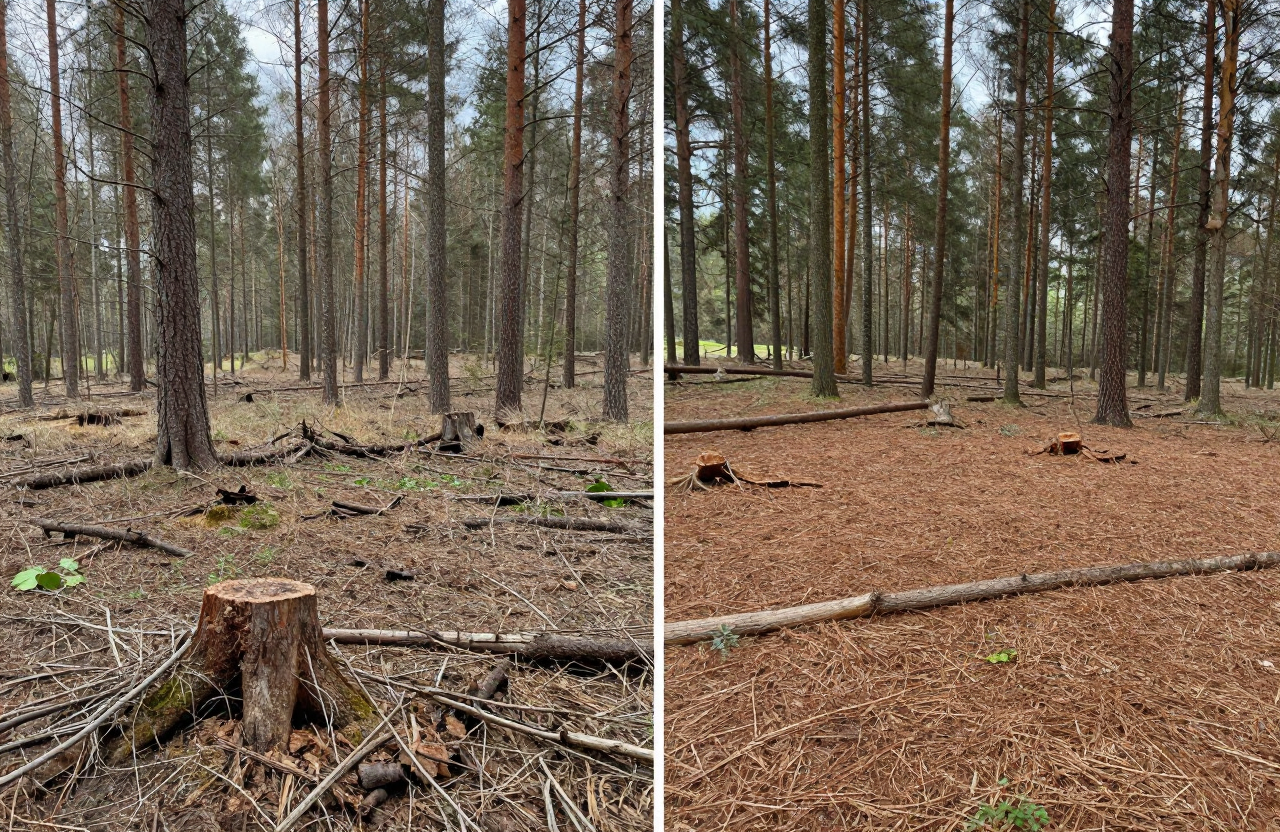
Choosing the right land clearing method—whether eco-friendly mulching all the way to total clear-cutting—defines the future of your property. Mulching preserves topsoil and cuts costs by turning brush into ground cover, while clear-cutting completely strips a site to create a blank canvas for structural foundations or large-scale agriculture.
Choosing the right land clearing method is one of the most important decisions you'll make when preparing your property for development, landscaping, or restoration. Two popular approaches—forestry mulching and forestry clear cutting—offer distinct advantages and trade-offs. Understanding the differences between these methods will help you select the best option for your specific goals and property conditions.
What is Forestry Mulching?
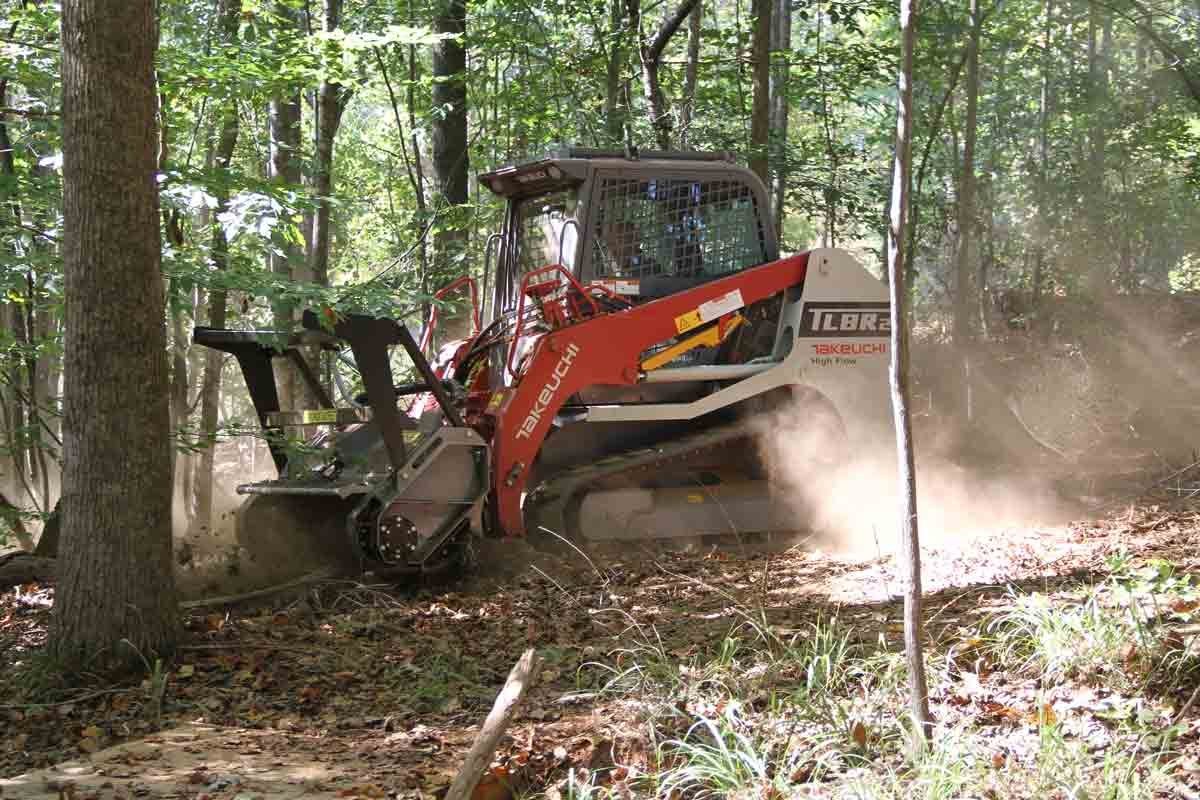
Forestry mulching is an environmentally conscious land clearing technique that uses specialized equipment to grind trees, brush, and woody debris into mulch while leaving it on-site. This method is increasingly popular among property owners who want to clear land while minimizing environmental impact.
Key characteristics of forestry mulching include:
• In-situ processing: Trees and vegetation are ground on-site, eliminating the need for hauling and disposal
• Soil enrichment: The resulting mulch improves soil structure, moisture retention, and nutrient content
• Erosion control: The mulch layer helps prevent soil erosion and stabilizes slopes
• Habitat preservation: Selective mulching can preserve desirable vegetation while removing unwanted growth
• Cost efficiency: Reduced hauling and disposal costs make this method economical for many projects
What is Forestry Clear Cutting?
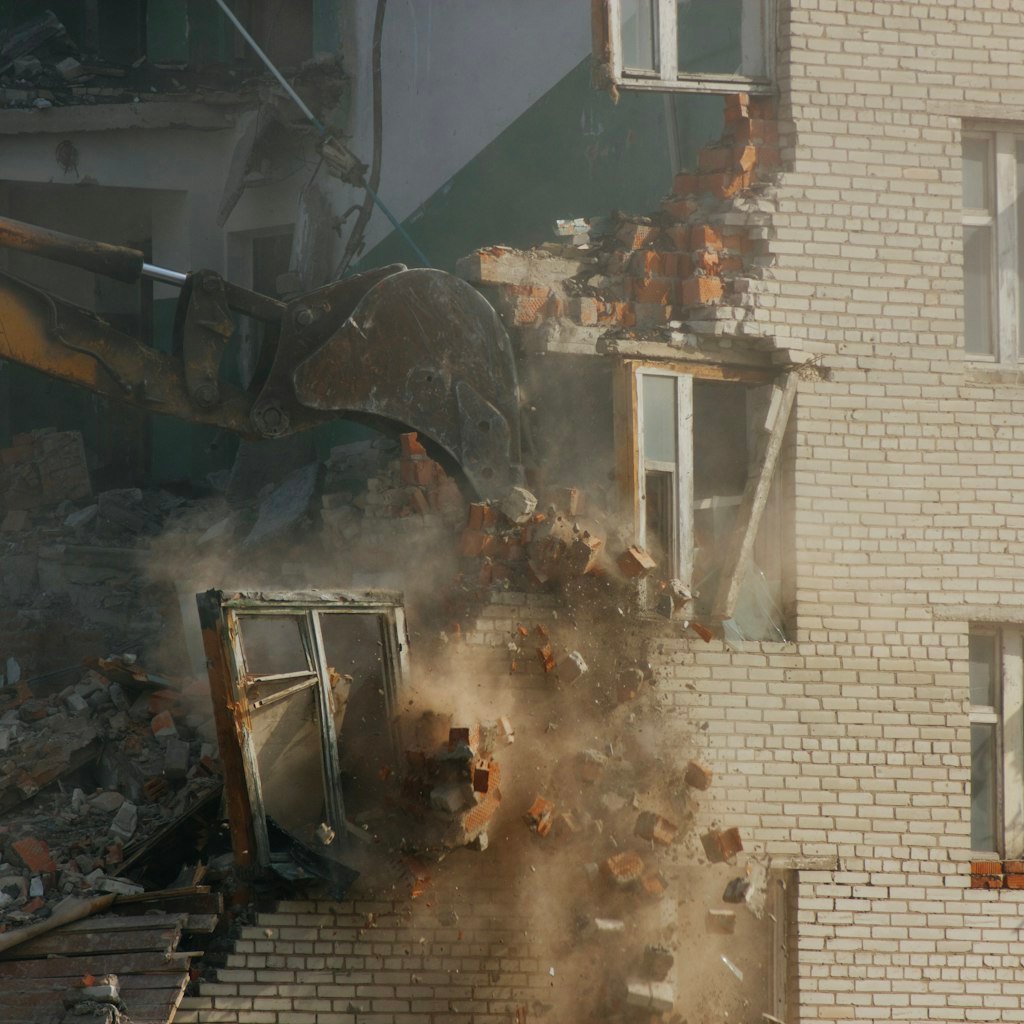
Forestry clear cutting is a traditional land clearing method where all trees and vegetation are removed from a designated area. The cleared material is typically hauled away for disposal, chipping, or processing at an off-site facility.
Key characteristics of forestry clear cutting include:
• Complete removal: All trees and vegetation are extracted from the property
• Clean slate: Provides a completely cleared area ready for immediate development or landscaping
• Material disposal: Cleared debris is transported off-site, which may incur additional costs
• Faster initial results: The property is immediately ready for the next phase of work
• Flexibility: Allows for complete site redesign without existing vegetation constraints
Comparison: Forestry Mulching vs. Clear Cutting
Environmental Impact
Forestry mulching is the more environmentally friendly option. By leaving nutrient-rich mulch on-site, it improves soil health and reduces waste. Clear cutting removes all organic material, which can lead to soil degradation and erosion if not properly managed.
Cost Considerations
While forestry mulching may have higher upfront equipment costs, it eliminates expensive hauling and disposal fees. Clear cutting often requires additional expenses for debris removal and off-site processing. For large properties, mulching can be significantly more cost-effective.
Timeline and Efficiency
Both methods can be completed relatively quickly, depending on property size and vegetation density. Forestry mulching may take slightly longer due to the grinding process, but clear cutting requires additional time for debris removal and hauling.
Soil Health and Future Use
Forestry mulching enhances soil quality by adding organic matter, making it ideal for properties where future landscaping or vegetation is planned. Clear cutting leaves bare soil that may require additional preparation and amendments before planting.
Aesthetic and Practical Outcomes
Forestry mulching leaves a natural-looking mulch layer that blends with the landscape. Clear cutting provides a completely bare, clean slate—useful for construction projects or when you want maximum visibility of the cleared area.
Choosing the Right Method for Your Property
Consider these factors when deciding between forestry mulching and clear cutting:
1. Project Goals: Are you preparing for construction, landscaping, or restoration? Mulching suits landscaping and restoration; clear cutting works better for construction sites.
2. Environmental Concerns: If sustainability is important, forestry mulching is the superior choice.
3. Budget: Compare total costs including disposal fees. Mulching often wins for large properties.
4. Timeline: Both are efficient, but clear cutting may be faster if you need immediate access to bare ground.
5. Future Land Use: If you plan to landscape or plant vegetation, mulching provides soil enrichment. For construction, clear cutting may be more practical.
6. Property Size: Larger properties often benefit more from mulching's cost savings and soil benefits.
7. Vegetation Type: Dense, mature forests may be better suited to clear cutting, while mixed vegetation benefits from selective mulching.
Conclusion
Both forestry mulching and clear cutting are effective land clearing methods, each with distinct advantages. Forestry mulching excels in environmental stewardship, soil health, and long-term cost savings, making it ideal for properties where sustainability matters. Clear cutting offers a complete, immediate solution for construction projects and situations where you need a completely bare slate.
The best choice depends on your specific needs, budget, and vision for your property. Many property owners find that a combination of both methods—using mulching for selective clearing and clear cutting for specific areas—provides the optimal solution.
By evaluating your specific goals, you can choose the right path—or combination of paths—to transform your property exactly as you envision.